How To Compare Options For A Realistic Weekend Project For A More Useful Home
A practical step-by-step guide to how to compare options for a realistic weekend project for a more useful home, including preparation, instructions, common issues, tips, and next steps.
How To Compare Options For A Realistic Weekend Project For A More Useful Home
This guide helps you choose a realistic weekend project to make your home more useful. You'll learn how to compare options by defining your needs, evaluating your skills, estimating time and effort, and considering costs and impact. By following the steps, you can pick a project that you can finish successfully and that adds real value to your daily life.
Fast Answer
- List three quick wins: fix a leaky faucet, install a smart thermostat, or declutter a closet. Rank them by effort and impact.
- Pick one project that you can complete in two days with tools you already own, and that solves a problem you face weekly.
Before You Start
- Identify the top three annoyances or inefficiencies in your home that you notice at least once a week, such as a poorly lit entryway or a cramped pantry.
- Assess your current skill level honestly for each candidate project—be realistic about whether you can do plumbing, electrical, or carpentry tasks safely.
- Estimate the time each project will take, including research, shopping, and cleanup, and block out that time on your weekend calendar.
- List the tools and materials you already own for each project, and note what you would need to borrow or buy, so you can compare total effort.
Step-by-Step Instructions
Define Your Home's Biggest Problem Areas
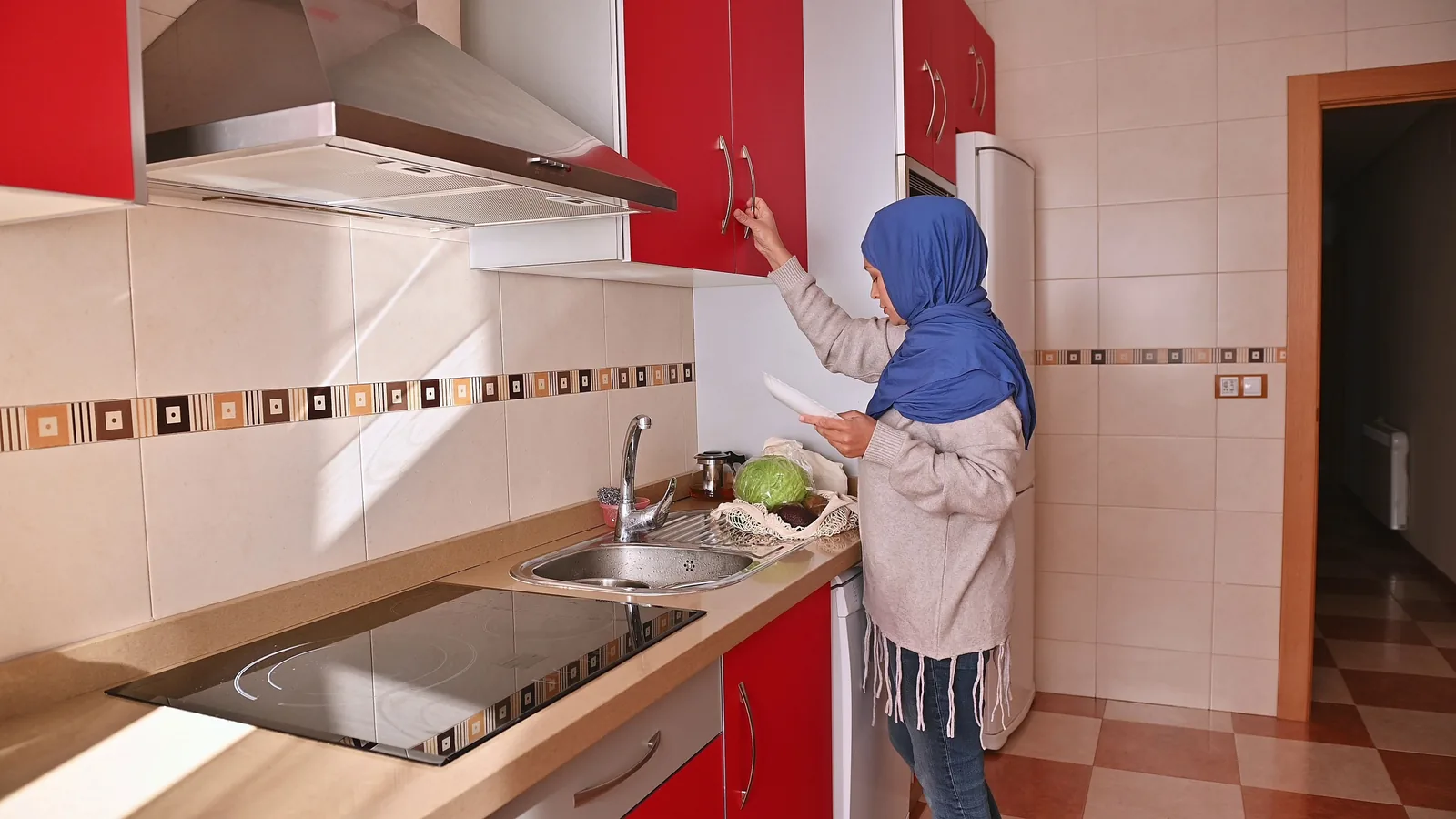
Start by walking through every room of your home and noting anything that irritates you or wastes time. For example, do you struggle to find things in a cluttered coat closet? Is your kitchen counter always covered with appliances you rarely use? Write down three specific problems that you encounter at least once a week, because frequent annoyances have the highest impact when fixed. Rank them by how much they affect your daily routine. This ranking ensures you spend your weekend on something that matters, not just an easy cosmetic change. After you have your list, set it aside for a few hours and then revisit it. Fresh eyes will help you confirm which problems truly deserve your effort. This step is the foundation for comparison, because you cannot choose between options until you know what you are trying to solve.
Evaluate Your Skills and Safety Limits
Now that you have three candidate problems, examine your own abilities for each fix. Consider whether you have done similar tasks before, and be brutally honest. For a plumbing repair, ask if you are comfortable shutting off the water supply and using a wrench. For an electrical project, do you know how to turn off the circuit breaker and use a voltage tester? If you have any doubt, that project is likely too risky for a weekend without supervision. Remember that a realistic project should not require you to learn a completely new trade in one weekend. Your skill level directly affects how long the project will take and whether you can finish it without making a mess or causing damage. Mark each project as 'yes', 'maybe', or 'no' based on your confidence. If any project is a 'no', remove it from your list immediately. This screening step saves you from starting something you cannot finish.
Estimate Time, Effort, and Physical Demands
For each project that passes the skill check, estimate the total time it will take from start to finish. Include time for reading instructions, buying materials, doing the work, and cleaning up. Be realistic: a simple shelving unit might take three hours, while building a custom desk could take eight. Also think about physical effort—does the project require heavy lifting, crouching, or working overhead? Estimate how tired you will be at the end. A project that leaves you exhausted on Sunday night might not be worth it. Compare your time estimates with the hours you actually have free during the weekend. Remember that you need time for meals, rest, and unexpected problems. Eliminate any project that will not fit into your available time without rushing. Rushing leads to mistakes and frustration, so it is better to pick a project you can complete calmly.
Calculate Costs and Required Purchases
For each remaining project, make a list of every material and tool you will need to buy or rent. Check your garage, basement, or tool drawer to see what you already own. For example, you might have a drill but need new drill bits, or you have paint but need a roller. Write down the cost of each item you must purchase, and add them up. Because budgets vary greatly, do not compare exact amounts; instead, categorize each project as 'low cost' if it is less than a typical dinner out, 'medium' if it is like a casual work lunch, or 'high' if it is more than a modest grocery trip. Always include a line for unexpected expenses, such as replacing damaged screws or buying a more suitable adhesive. If a project requires more than a few new tools that you will rarely use again, that adds hidden cost. Choose projects that use tools you already have or are cheap to rent.
Compare Impact and Long-Term Value
For each project that survives the cost and time checks, think about the long-term payoff. A project that saves you five minutes every day, like installing a key hook near the door, adds up to hours over a year. A project that reduces clutter, like a pantry organizer, might make cooking easier and reduce frustration. Some projects also improve home safety, such as adding motion-sensor lights to dark steps. Consider how often you will use the result. A project in the living room is seen every day, while a garage workshop might be used only occasionally. Also think about whether the project increases the comfort of your home, such as improving airflow from a ceiling fan. Rank your projects by the total benefit they will bring, not just the initial satisfaction of completing them. This comparison helps you pick a project that gives lasting value.
Select Your Project and Create a Plan
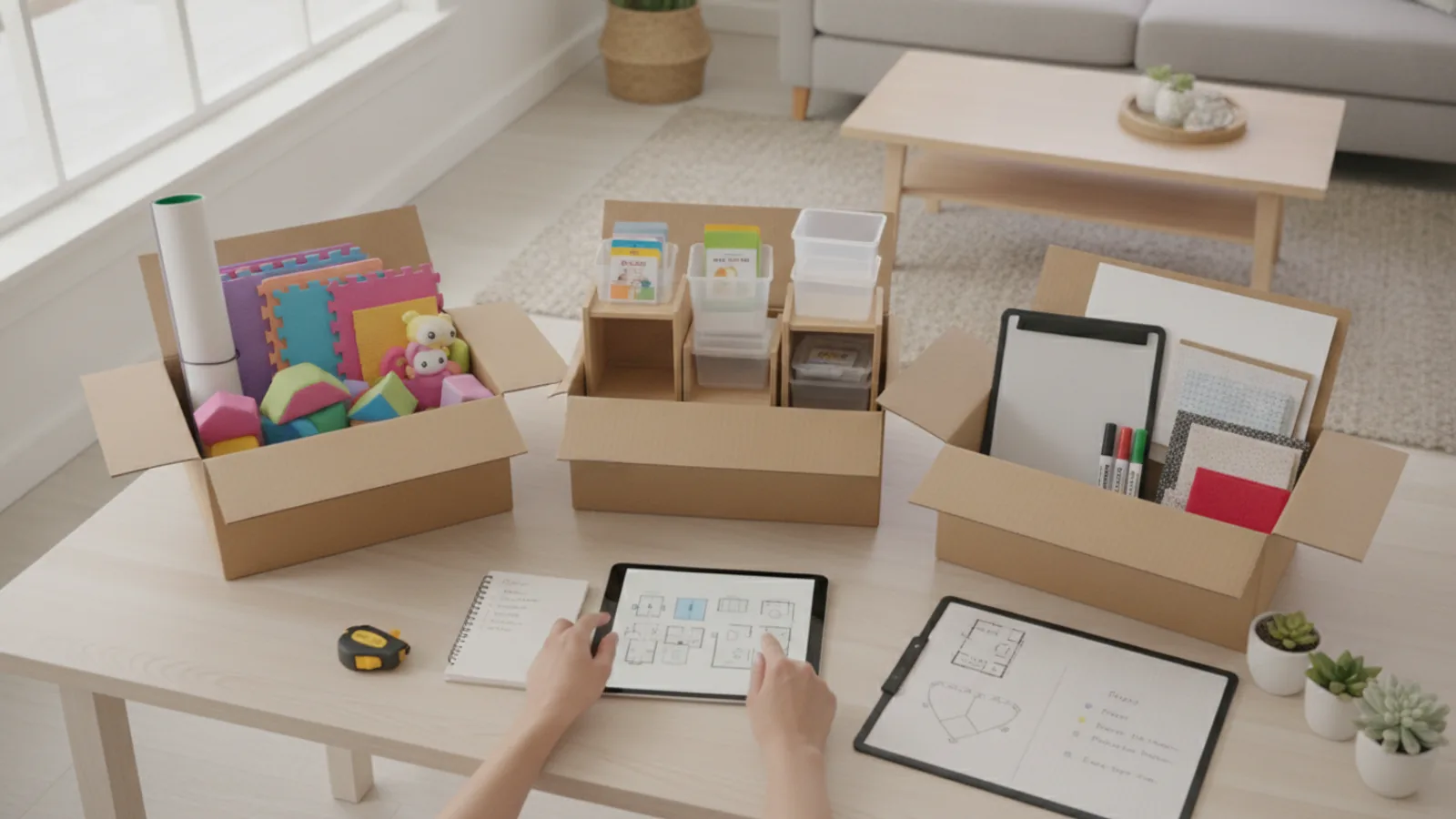
After comparing all your options, choose the single project that best matches your available time, skill level, and budget, and that has the highest impact. Now create a written plan. Break the project into specific tasks, such as 'gather tools', 'cut wood', or 'install brackets'. Set a realistic completion time for each task, and decide what you will do if you get stuck. For example, if you cannot remove a stubborn bolt, you might stop and call a friend for advice. Your plan should also list the exact materials and tools you need, and you should purchase them at least one day before you start. Make a backup plan for bad weather if your project is outdoors. This planning step transforms your idea from a vague intention into a step-by-step action. It also helps you avoid multiple trips to the store and prevents you from running out of time or materials.
Quick Reference
| Situation | Action | Why it helps |
|---|---|---|
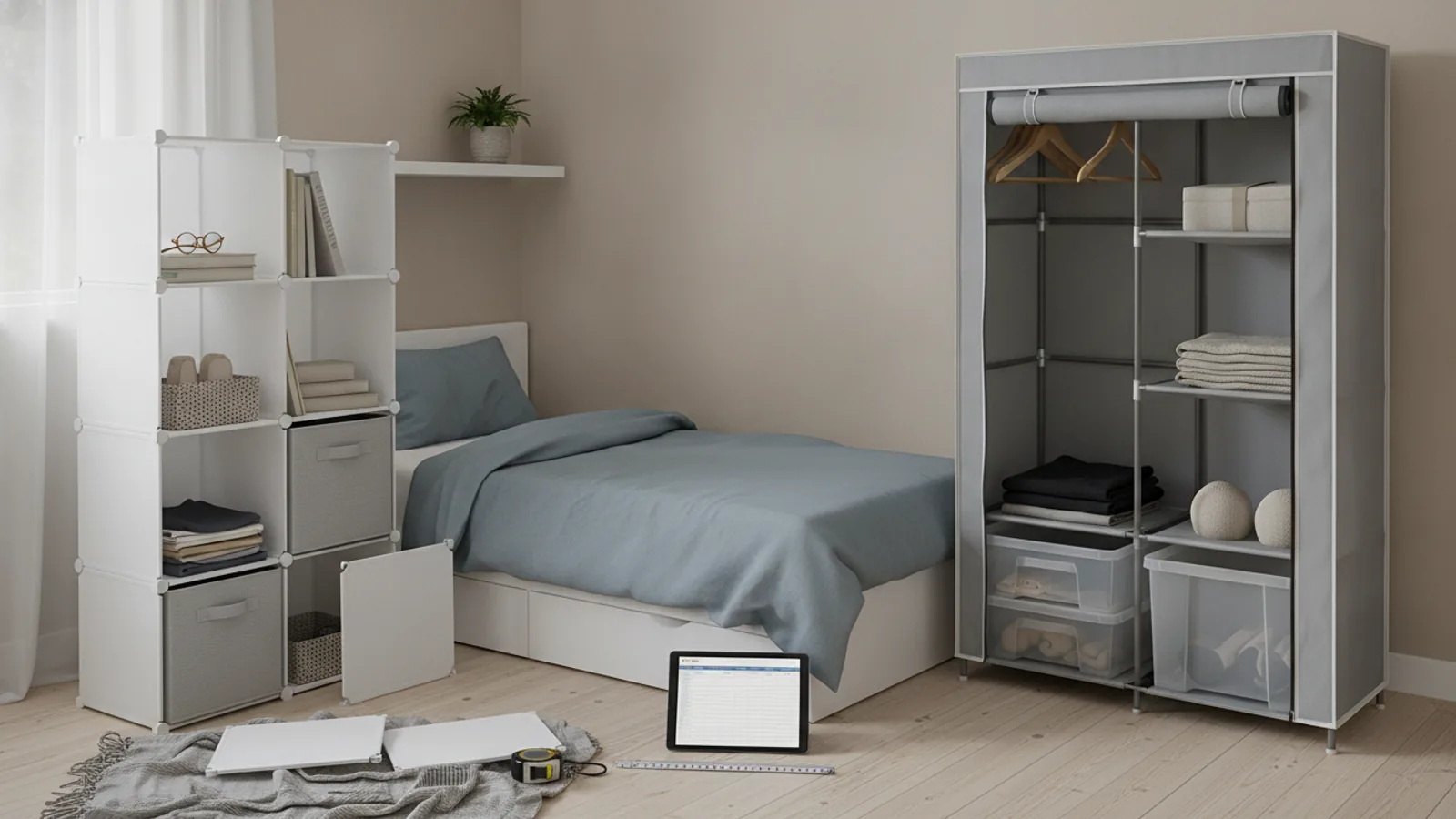
| You cannot decide between two similar projects, like organizing a closet vs. installing shelving in the garage. | Compare how often you will use each result, and pick the one that addresses a daily frustration. | Frequent use makes a project more worthwhile, so your effort delivers daily benefits rather than occasional ones. |
| You realize a project requires advanced skills you do not have, such as rewiring a light fixture. | Set that project aside and choose a simpler task that uses your current abilities. | Attempting a task beyond your skill level risks injury, damage, and a half-finished project, defeating the weekend goal. |
| Your weekend is unexpectedly short, and you estimate the project will take longer than available time. | Break the project into smaller sub-tasks and complete only the most impactful part this weekend. | Finishing a smaller piece gives a sense of achievement and keeps the project manageable without leaving a mess. |
Common Issues
- Running out of time because the project took longer than expected.: Plan for the unexpected by adding a time buffer and schedule a hard stop point. If you are running late, simplify the final steps or pause at a safe midpoint.
- Discovering you need extra tools or materials halfway through.: Make a detailed list before starting and gather everything you might need, including spare parts. Keep a list of nearby stores and their hours for emergency purchases.
- Feeling overwhelmed by the scale of the project.: Break the project into smaller tasks and focus on completing one task at a time. Take short breaks and remind yourself that progress is progress.
Advanced Tips
- Use a project management app or a simple timer to track how long each sub-task takes, so you can improve your planning for the next project.
- Take before-and-after photos to document your work; this not only gives you pride but also helps you remember what you did for future maintenance.
- If you are modifying a surface that will be seen, create a small sample or test patch first to make sure the color or finish is what you want.
Final Checklist
- Confirm that your chosen project solves a problem you face at least once a week.
- Verify that all necessary materials and tools are on hand before you start.
- Block out your weekend schedule with the estimated time for each sub-task.
- Write down a backup plan for what to do if you get stuck or run out of time.
FAQ
What is the most realistic weekend project for a beginner?
A beginner-friendly project is one that uses basic skills like measuring, cutting, and assembling, such as installing a simple shelf or organizing a closet. Choose a project with clear instructions, minimal electrical or plumbing work, and that can be completed in a few hours. Always check your own confidence level.
How do I know if a project is too big for one weekend?
Estimate the time it will take, including learning, shopping, and cleanup. If your estimate is more than half of your available weekend hours, it might be too large. Also consider your skill—if you have never done a similar task, add extra time for learning. Break a large project into smaller parts.
What should I do if I start a project and realize it is too difficult?
Stop working immediately if you feel unsafe. Then assess what is left and decide if you can simplify the task or if you need to call a professional. It is better to pause and finish later than to risk injury or make a costly mistake.