How To Plan A Weekly Home Reset That Makes Everyday Rooms Easier To Use
A practical step-by-step guide to how to plan a weekly home reset that makes everyday rooms easier to use, including preparation, instructions, common issues, tips, and next steps.

How To Plan A Weekly Home Reset That Makes Everyday Rooms Easier To Use
A weekly home reset is a short, scheduled session that returns your living spaces to a workable baseline, reducing daily friction and making rooms easier to use throughout the week. This guide provides a practical plan to reset each room's function, clear clutter, and maintain order with minimal effort.
Fast Answer
- Set a recurring 30-45 minute weekly block, choose one day (e.g., Sunday), and follow a room-by-room checklist that focuses on high-traffic areas, visible surfaces, and quick decluttering.
- Use a timer and work in zones: clear entryway, refresh living areas, reset kitchen counters, and manage laundry or paper piles so every room feels usable.
Before You Start
- Gather a laundry basket, a trash bag, a recycling bin, and a caddy with all-purpose cleaner, microfiber cloths, and glass cleaner for quick surface wipes.
- Decide on a consistent day and time that works for your schedule, and set a phone reminder or calendar event with a 45-minute alarm.
- List your home's main zones (entry, kitchen, living, bathroom, bedroom) and assign a short reset task to each zone based on what gets messy first.
- Communicate the reset plan to anyone you live with, and assign simple roles like sorting mail or returning items to their rooms.
Step-by-Step Instructions
Clear the Entry and Daily Drop Zone
Start by clearing the first area you see when you walk in, because it sets the tone for all other rooms. Collect shoes, bags, mail, and items that have piled up on the entry table or hooks. Place everything in a laundry basket or box, and then sort each item into its rightful location: shoes to the shoe rack, bags to hooks, mail into a mail tray or recycling bin, and miscellaneous items to a designated 'goes elsewhere' basket. After sorting, wipe down the entry table and any mirrors or frames with a microfiber cloth and all-purpose cleaner. Check the floor for loose dirt and quickly sweep or vacuum the entry mat. This check matters because a clear entrance prevents the rest of the house from feeling cluttered and reduces the chance of tripping hazards for family and guests.
Reset the Kitchen Counters and Sink
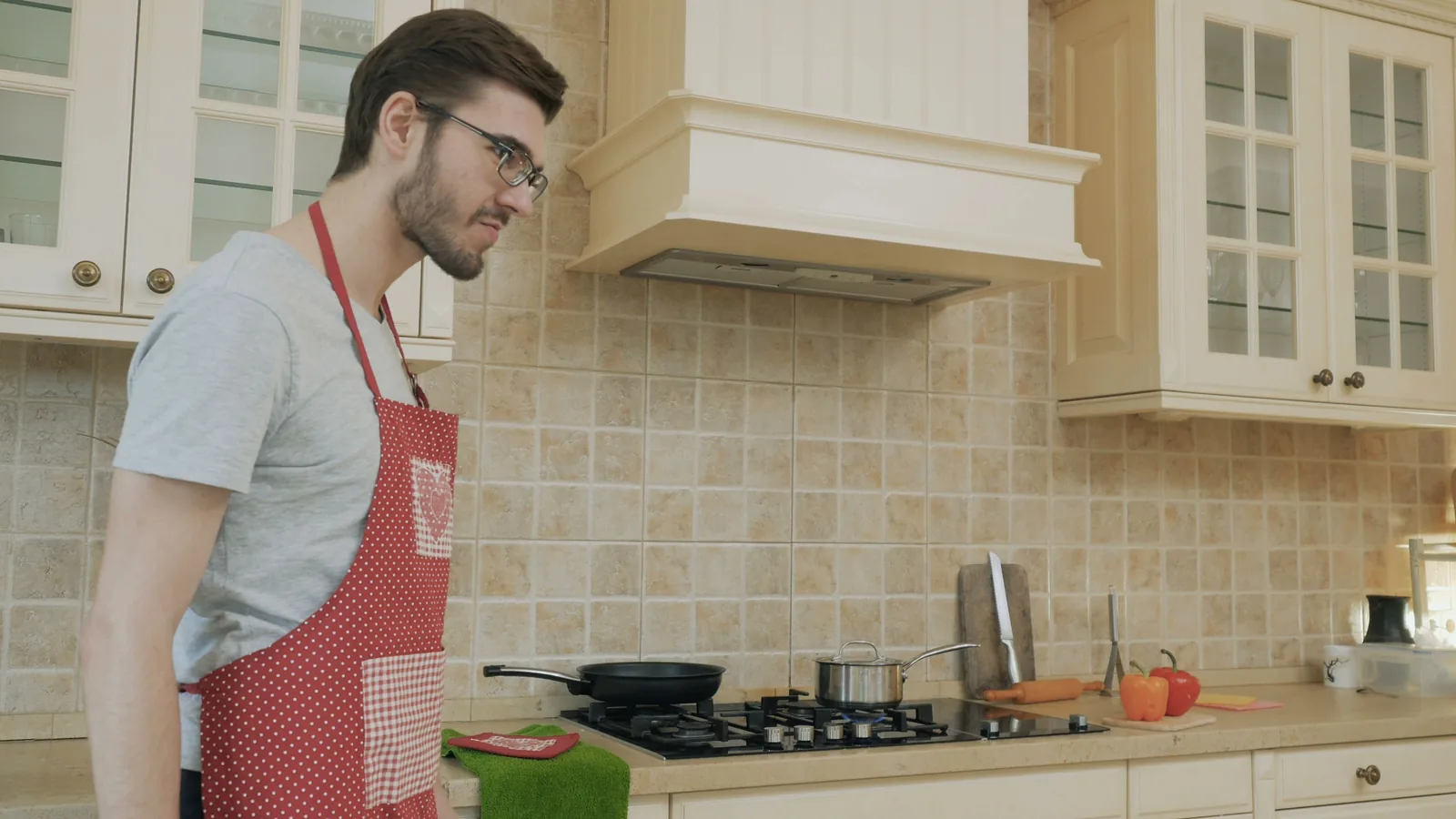
The kitchen is the heart of the home, so make it easy to cook and clean. Remove all items from the countertops, including toasters, coffee makers, and decorative pieces, and set them aside on a towel. Wipe the countertops with a cleaner suitable for your surface (check the product label for stone or wood). Then wash any dishes that are in the sink or dishwasher and put them away. If there are dishes that need to drain, stack them in a drying rack and commit to putting them away before bed. Next, spray the sink with a non-abrasive cleaner, scrub it, and rinse. Check the microwave for splatters and give it a quick wipe. Finally, scan the fridge for expired items and toss anything that is clearly past its prime, wiping the handle and front with a damp cloth. This check matters because a clean, empty countertop makes meal prep easier and reduces the chance of cross-contamination from dirty surfaces.
Straighten the Living Room and Common Areas
This is the space where you relax and host others, so it should feel calm. Fluff and arrange throw pillows and blankets, and fold any that are bunched. Collect items like remote controls, magazines, and toys, and return them to their storage spots. Use a caddy with a cleaner to wipe down coffee tables, TV stands, and shelves, focusing on fingerprints and dust. Vacuum high-traffic areas, including under the sofa cushions, and spot-clean any stains on upholstery using a manufacturer-recommended product. Check under furniture for dust bunnies and quickly run an extendable duster. Rearrange items on shelves so that frequently used items are within reach and less-used items are on higher or lower shelves. This check matters because a tidy living room encourages relaxation and makes it easier to find what you need, which is the whole point of a reset.
Tidy the Bathroom and Restock Supplies
A functional bathroom starts with clean, organized surfaces. Remove items from the countertop, such as toothbrush holders, soap dispensers, and cosmetics, and place them on a towel. Clean the counter, sink, and faucet with a bathroom cleaner, then rinse and dry. Scrub the toilet bowl with a brush and cleaner, and wipe down the outside of the toilet, including the handle. Wipe the mirror with glass cleaner. Check the floor for hair and dust, and sweep or vacuum it, then mop if needed. After cleaning, check your supplies: toilet paper, hand soap, shampoo, conditioner, and toothpaste. Replace any that are low or empty, and add them to your shopping list if needed. This check matters because a clean bathroom with supplies on hand prevents last-minute runs to the store and makes morning routines smoother.
Refresh the Bedroom and Make the Bed
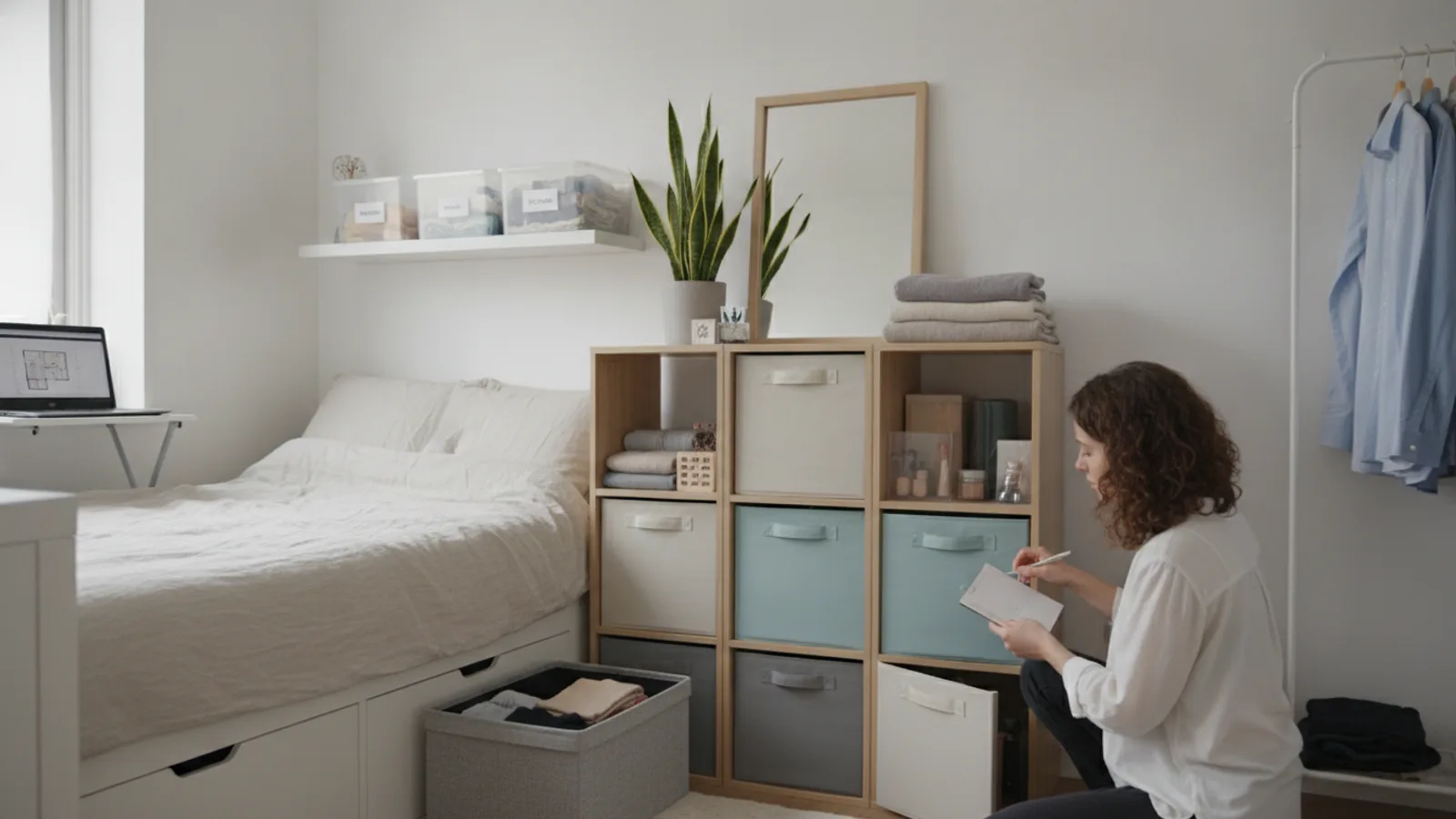
A tidy bedroom improves sleep quality and reduces morning stress. Start by making the bed with clean sheets if it is that week, or simply straighten the existing linens. Collect any clothes on the floor or draped over chairs and put them in the hamper or hang them up. Clear surfaces like nightstands and dressers of clutter, and wipe them with a damp cloth. If you have a laundry basket, sort it into lights and darks if you plan to wash that day, or just ensure the hamper is not overflowing. For any clean clothes that have been sitting in a pile, fold them and put them away or move them to the laundry room. Fluff pillows and arrange the bedspread. Quickly vacuum the floor, especially around the bed and under the headboard. This check matters because a well-ordered bedroom signals rest and helps you avoid tripping over items in the dark.
Handle Paper Piles and Household Mail
Paper clutter is a common source of stress, so dedicate a step to sorting it. Gather any loose papers from counters, desks, and tables into one pile. Sort the pile into categories: action (bills to pay, forms to fill), file (receipts, important documents), recycle (junk mail, old magazines), and shred (anything with sensitive info, like bank statements). For the action pile, create a simple tray or folder labeled 'To Do' and place it in a designated spot, like a desk or kitchen drawer. For the file pile, use a filing cabinet or accordion folder with labeled sections. Recycle and shred immediately. Then take a moment to scan the pile for any urgent deadlines or appointments and add them to your calendar. This check matters because dealing with paper weekly prevents important documents from getting lost and keeps counters clear for daily tasks.
Quick Reference
| Situation | Action | Why it helps |
|---|---|---|
| You notice the entryway is cluttered with shoes and mail by Tuesday. | Set a two-minute timer and put shoes back on the rack and mail into the designated tray or recycling bin before you leave the house next time. | A quick daily habit prevents the entry from becoming a stress point and keeps the reset from being overwhelming on your reset day. |
| Your kitchen counters are covered with appliances, and you avoid cooking. | Pick up each appliance and ask if you use it weekly. If not, store it in a cabinet or pantry, leaving only the daily-use items on the counter. | Reducing countertop clutter frees up space for meal prep and makes the kitchen feel more inviting, which encourages you to cook at home. |
| The living room has a pile of remotes, magazines, and children's toys that keeps growing. | Assign a storage bin for toys, a magazine holder for reading materials, and a small tray for remotes, then spend five minutes returning items to these homes each evening. | Dedicated homes for items make tidying a simple routine, so the room stays usable and you avoid spending time sorting during the reset. |
Common Issues
- You skip the reset for several weeks, and clutter accumulates.: Set a recurring appointment on your calendar with a reminder 30 minutes before the start. If you miss it, reschedule for the next day. Keep the session short and use a timer.
- You feel overwhelmed and don't know where to start.: Start with just the entryway or the kitchen counter. Complete that single zone and stop if time runs out. Next week add another zone. Gradual progress is better than no progress.
- Items you don't know what to do with pile up in a 'misc' box.: Every Sunday, go through the misc box and either put each item in its proper home, give it away, or throw it away. Limit the misc box to one small basket and clear it weekly.
Advanced Tips
- Create a 'reset playlist' of energizing music and use it only during the reset, so your brain associates the music with focused cleaning.
- Use a smartphone timer with a clear ringtone to keep each zone to a strict five-minute limit, forcing you to stay at a brisk pace.
- Take a photo of each room after the reset and save it to an album called 'reset baseline' to remind you of the calm state you're aiming for.
Final Checklist
- Clear entry and daily drop zone: shoes, bags, mail, and random items are all put away.
- Kitchen counters wiped and free of clutter, sink empty and clean, fridge scanned for expired food.
- Living room tidied so you have a visible, comfortable place to sit, with remotes and other essentials in their spots.
- Paper pile sorted into action, file, recycle, and shred categories, with urgent items added to your calendar.
FAQ
How long should the weekly home reset take?
For most homes, a 30 to 45-minute session is enough to cover the six main zones in this guide. You can adjust the time based on your home's size and your personal pace. The key is to set a timer and stick to it, because a designated time limit keeps you moving and prevents the reset from becoming a marathon.
What if I don't have time for the full reset one week?
If you're short on time, focus on the three most impactful zones: the entry, the kitchen, and one other high-traffic area like the living room. Even a 15-minute 'mini reset' that clears the entry and kitchen counters will make your daily routines easier. If you miss a week, don't stress—just resume the next scheduled time.
Should I involve my family in the reset?
Yes, involving family members makes the reset faster and builds shared responsibility. Assign one or two tasks to each person based on age and ability, such as putting away toys, sorting mail, or wiping counters. Having everyone participate also encourages daily upkeep, reducing the amount of work needed on reset day.