How To Plan A Small Hallway That Works Harder Without Feeling Crowded
A practical step-by-step guide to how to plan a small hallway that works harder without feeling crowded, including preparation, instructions, common issues, tips, and next steps.
How To Plan A Small Hallway That Works Harder Without Feeling Crowded
A small hallway can become a highly efficient space with careful planning. This guide helps you maximize every inch without making the area feel cramped. Learn how to choose the right furniture, use vertical space, create clear paths, and add clever storage solutions. Practical tips and actionable steps ensure you get a functional and welcoming hallway.
Fast Answer
- Plan the layout first by measuring the space and drawing a simple floor plan; this helps you see what will fit and where.
- Prioritize vertical storage and multi-functional pieces to free up floor space and keep the area airy and uncluttered.
Before You Start
- Measure the hallway's length, width, and ceiling height accurately, including door swings and any architectural features.
- List the daily activities that will happen in the hallway, such as putting on shoes, hanging coats, or sorting mail.
- Set a clear budget and a list of must-have items, like a coat rack or a slim console table, to guide your choices.
- Gather inspiration by looking at photos of small hallway designs, but keep your specific layout and needs in mind.
Step-by-Step Instructions
Measure and Map Your Space
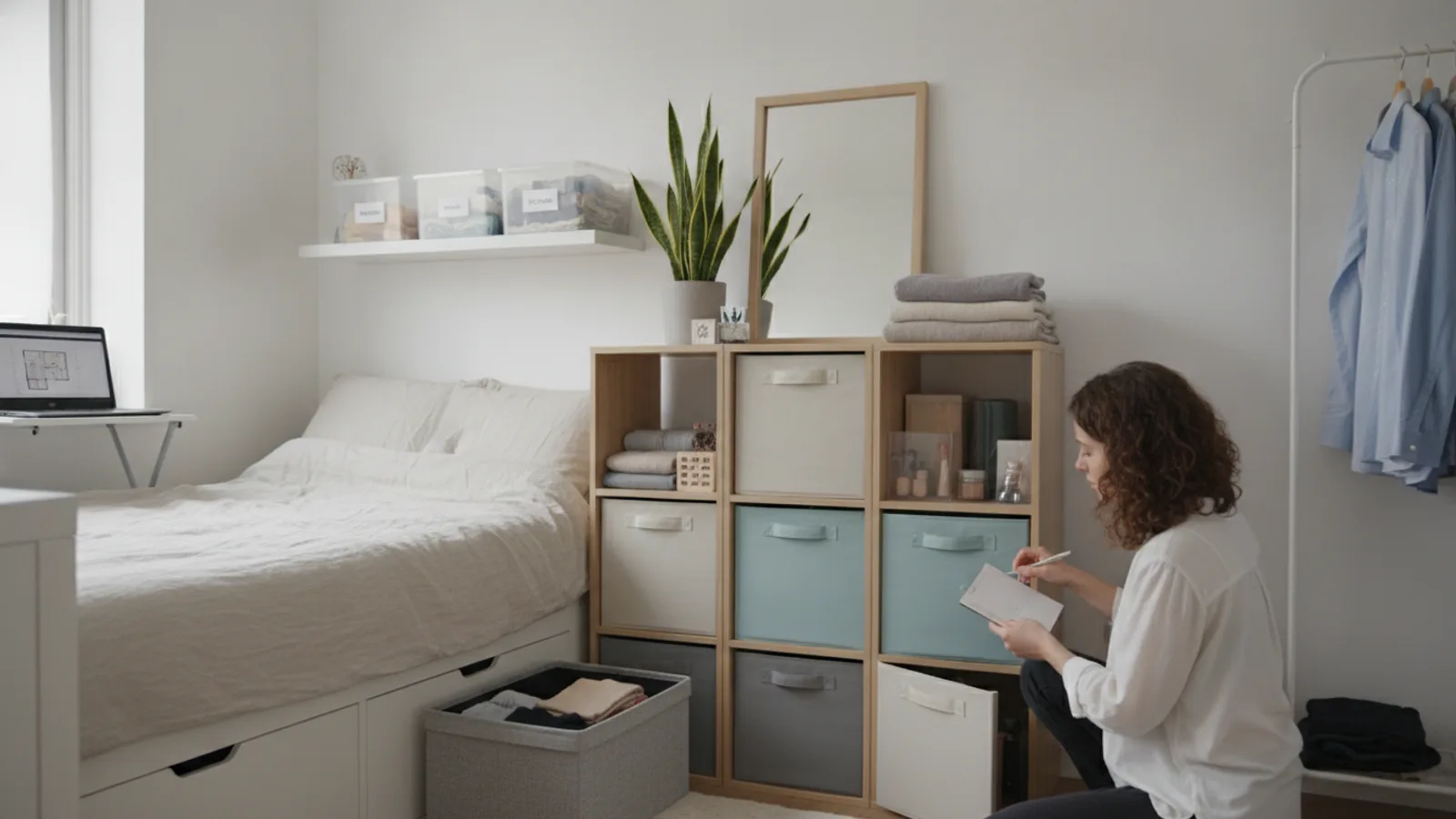
Start by taking precise measurements of your hallway. Measure the length, width, and ceiling height, and note the location of doors, windows, light switches, and any radiators or vents. Also, measure the swing of each door to ensure that new furniture won't block them. Draw a simple floor plan on graph paper, including these measurements to scale. This plan will be your guide throughout the process, helping you visualize where each piece of furniture can go. Walk through the hallway as you normally would, and mark down the areas where you pause or need to access something. This gives you a clear picture of how much space you actually have to work with, and where you can afford to place storage without causing obstruction. Checking the floor plan before buying anything prevents costly mistakes and ensures that everything fits comfortably.
Choose a Focal Point and Style
Pick a focal point that anchors the hallway, like a slim console table or a stylish mirror on the wall. A mirror not only adds depth but also provides a place to check your appearance before leaving. Choose a style that complements the rest of your home, whether it's modern, farmhouse, or minimalist. Keep the color palette light and neutral to make the space feel larger. Avoid heavy dark furniture and elaborate patterns that can visually shrink the area. Your focal point should be both functional and decorative, offering a surface for keys or a vase. Once you decide on the focal point, you can build the rest of the design around it. Remember to keep the hallway uncluttered, as too many decorative items will make it feel crowded. A well-chosen focal point adds character without compromising space.
Utilize Vertical Wall Space
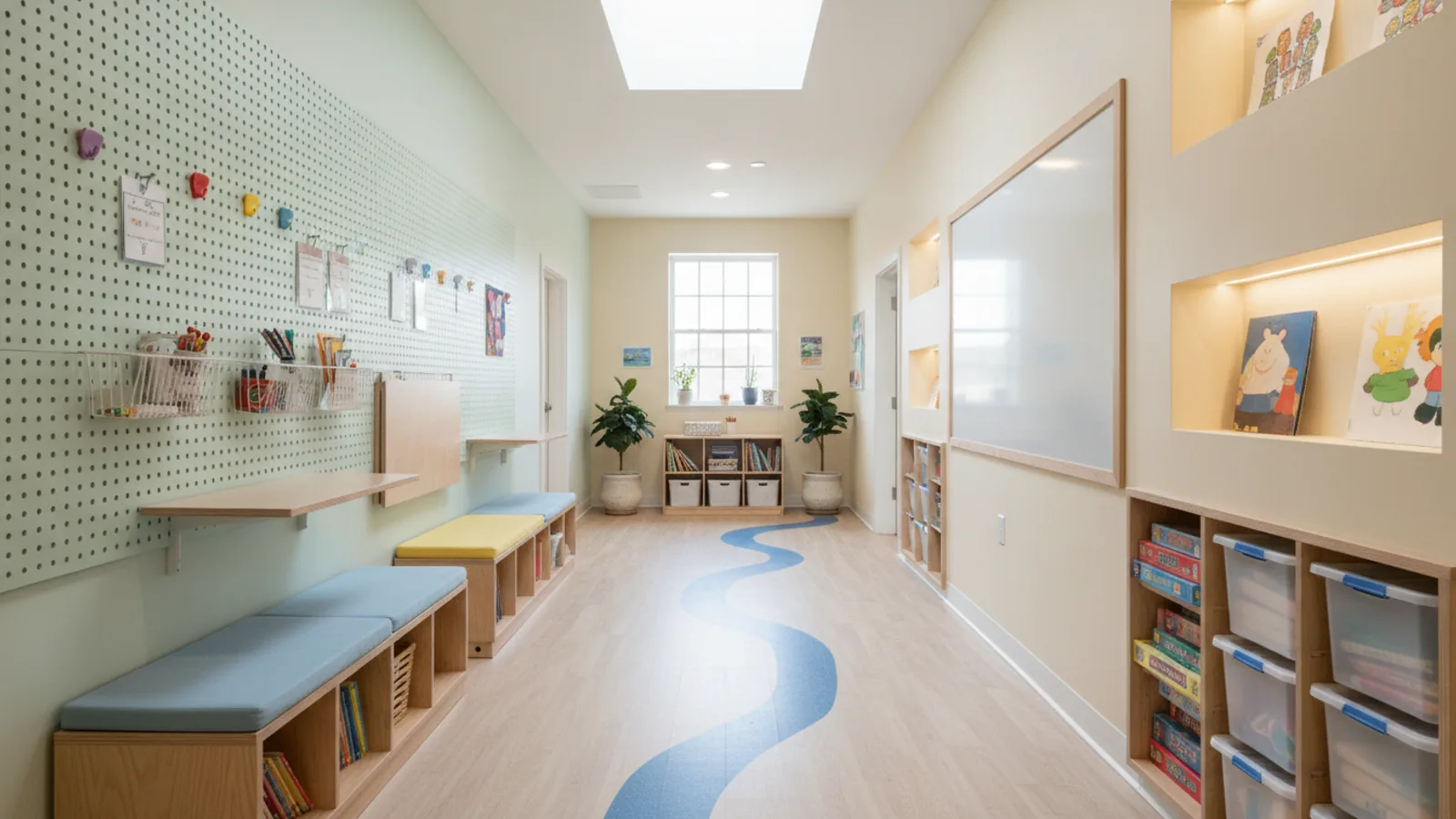
Maximize your hallway's vertical dimensions by installing wall-mounted shelves, hooks, and cabinets. Use the upper wall area for storage that you don't need to access daily, such as seasonal items or extra supplies. Install a row of hooks at a comfortable height for coats and bags, and consider a floating shelf above for decorative baskets or books. If the hallway is narrow, vertical storage keeps the floor clear, making the space feel wider. Make sure to securely anchor all items to the wall, especially if you have children or heavy items. Use the height wisely by installing a tall, slim storage unit if the ceiling is high. Always leave at least 18 inches of clear wall space above the floor to keep the hallway from feeling boxed in. Checking the wall material and using proper anchors ensures safety and stability.
Select Multi-Function Furniture
Choose furniture that serves multiple purposes to save space and increase utility. For example, a bench with built-in shoe storage provides a place to sit and a spot to store footwear. A console table with drawers or baskets can hold keys, mail, and other essentials. A slim etagere or bookshelf can offer vertical storage and display space. When selecting pieces, measure the depth and width to ensure they fit within your floor plan without blocking pathways. Think about how each piece will be used daily so that it earns its place. For instance, a drop-leaf table can serve as a workspace when needed and fold away to save space. Multi-functional furniture reduces the number of items in the hallway, keeping it open and uncluttered. Always test the stability and design quality to ensure longevity.
Create a Clear Walkway
Ensure that the main path through the hallway remains completely unobstructed. Aim for a walkway width of at least 36 inches to allow comfortable movement and easy access. If the hallway is particularly narrow, you might need to reduce the depth of furniture or use wall-mounted options. Place furniture along one side, leaving the rest open. Use rugs that are fitted to the space, avoiding any that create tripping hazards. Consider the flow: you should be able to move from the entrance to the other end without weaving around obstacles. Check the clearance at every step by walking through the space after arranging furniture. If you have to squeeze past a table or turn sideways, it's too crowded. A clear walkway not only feels better but is also safer for children and elderly family members.
Add Finishing Touches and Lighting
Complete your hallway with thoughtful lighting and a few decor accents to make it inviting. Use a combination of overhead lighting and wall sconces to eliminate dark corners. Warm lighting can make a narrow space feel cozier, while bright lights can make it feel more expansive. Place a small tray on your console table to corral keys, and add a plant or a vase for a touch of nature. Choose artwork that is scaled to the wall size; a single large piece can create a focal point without cluttering the space. Use runners or a doormat to add color and texture. Finish by checking that all your decorative items don't obstruct movement or storage. The goal is to have a functional yet stylish hallway that feels welcoming every time you enter your home.
Quick Reference
| Situation | Action | Why it helps |
|---|---|---|
| You have a narrow hallway that is less than 3 feet wide. | Install floating shelves and hooks on one wall, and avoid floor-standing furniture to keep the walkway open. | Floating storage keeps the floor clear, maximizing the usable width and preventing the space from feeling boxed in. |
| You often drop keys and mail as soon as you enter the door. | Place a small tray or bowl on a wall-mounted shelf or a slim console table right next to the entrance. | Having a designated drop zone immediately at the entrance helps prevent clutter from spreading and keeps essentials within arm's reach. |
| You need to store shoes but don't have room for a shoe cabinet. | Use a bench with an open cubby or a low profile under-seat shelf that lets you slide shoes underneath. | A bench with integrated shoe storage provides a place to sit while putting on shoes and uses the often-wasted space under the seat. |
Common Issues
- The hallway feels dark and cramped even with light colors.: Add layered lighting such as a ceiling fixture, wall sconces, and a table lamp to brighten the space. Use mirrors to reflect light and make the area feel larger. Avoid heavy curtains and choose sheer window treatments if possible.
- There is too much furniture, making the hallway difficult to navigate.: Remove any pieces that are not strictly necessary or that don't serve a dual purpose. Stick to one or two key items like a slim console and a wall-mounted shelf. Restore a clear walking path of at least 36 inches.
- The hallway becomes a dumping ground for clutter.: Implement a 'one in, one out' rule for belongings kept in the hallway. Use baskets or bins on shelves to hide small items. Install a key hook and a mail organizer to give everything a designated place. Regularly clear out anything that doesn't belong.
Advanced Tips
- Consider installing a sliding barn door or a pocket door to replace a swinging door that takes up hallway wall space.
- Use a mirror on the side of a wardrobe or cabinet to create the illusion of more space while also serving as a full-length mirror.
- Incorporate a deep drawer next to the entrance that can be pulled out as a temporary seating area, then tucked away when not in use.
Final Checklist
- Measure the hallway dimensions and map the layout, including door swings and ceiling height.
- Research furniture that fits within the planned dimensions and serves multiple purposes.
- Install wall-mounted storage like hooks and shelves securely, ensuring they can support the intended weight.
- Arrange furniture to maintain a clear walkway of at least 36 inches, and test the flow by walking through.
FAQ
How can I make my small hallway feel bigger?
Use light colors on walls and floors, install mirrors to reflect light, and keep the space clutter-free. Choose furniture with exposed legs to create a sense of openness. Good lighting, especially natural light, can also make a space feel more expansive.
What are some essential furniture pieces for a small hallway?
A slim console table or a narrow shelf, a bench with storage or a standalone shoe rack, wall hooks or a coat rack, and a mirror are key. Choose pieces that are proportional to your space and serve multiple purposes to avoid overcrowding.
How do I organize small items like keys and mail?
Use a wall-mounted key holder or a small tray on a console table. A decorative bowl or a set of small baskets can corral mail and small items. Label bins if needed. Have a routine to sort through items weekly to avoid buildup.