A Practical Guide To A Small Hallway That Works Harder Without Feeling Crowded
A practical step-by-step guide to a practical guide to a small hallway that works harder without feeling crowded, including preparation, instructions, common issues, tips, and next steps.
A Practical Guide To A Small Hallway That Works Harder Without Feeling Crowded
This guide offers practical ways to make a small hallway feel more spacious and work harder for everyday use, focusing on smart storage, lighting, and design choices that avoid clutter. You will learn how to prioritize essentials, use vertical space, and create an inviting entry that maximizes function without making the area feel crowded. The steps are simple, budget-friendly, and suitable for renters or homeowners who want a more efficient and welcoming space.
Fast Answer
- Keep the floor clear by using wall hooks and shelves for everyday items like coats, bags, and keys.
- Install a slim console or bench with hidden storage to provide a drop zone without taking up valuable floor space.
Before You Start
- Measure your hallway's width and height to plan furniture and storage that fit comfortably without blocking pathways.
- Declutter by removing items that don't belong, such as shoes, mail, or seasonal decorations, to see the true space available.
- Choose a light color palette or add mirrors to reflect light and make the area feel larger and more open.
- Decide on the primary functions needed, like a place for keys, coats, shoes, or seating, to prioritize what to include.
Step-by-Step Instructions
Assess and Declutter Your Hallway
Start by taking a critical look at your hallway. Remove everything that doesn't serve a daily purpose, such as old mail, unused accessories, or broken items. This clears the canvas and reveals the actual dimensions, making it easier to plan. Consider what activities happen here: do you need a spot for keys, a place to sit while putting on shoes, or storage for outdoor gear? By identifying the core functions, you can design a hallway that works for your specific routine. Clear out any furniture that creates bottlenecks or blocks traffic. A good rule is to keep the main path at least 24 inches (about 60 cm) wide for comfortable movement. Once you've pared down to the essentials, you can move forward with a clear vision. This step is crucial because a cluttered hallway feels even smaller and more chaotic.
Plan Zones for Key Activities
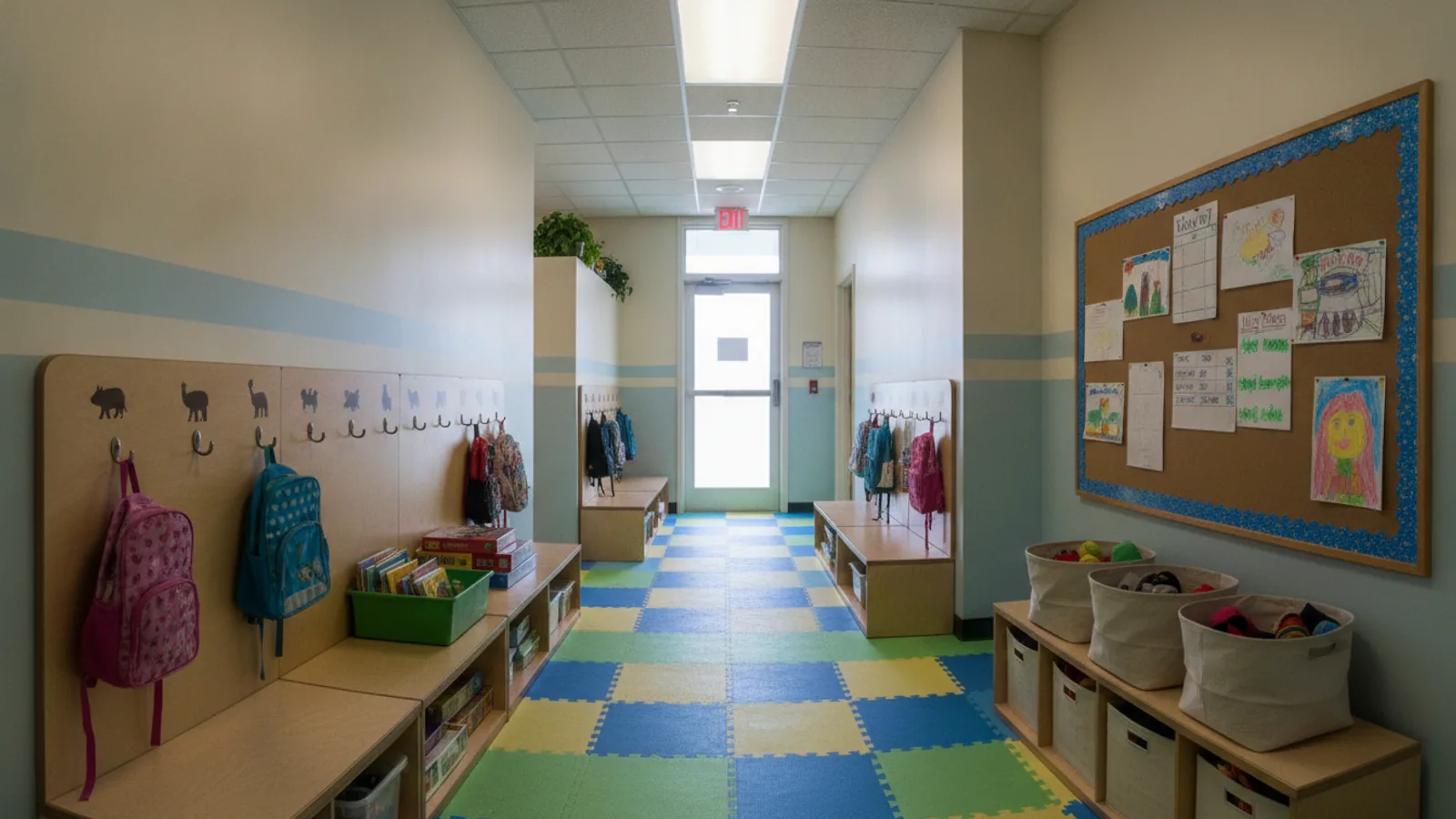
Divide your hallway into functional zones, such as a drop zone for essentials, a shoe storage area, and a place for outerwear. Visualize a small table or wall-mounted shelf near the door where you can place keys, sunglasses, and a small bowl for daily items. Designate a vertical strip for coats and jackets using hooks or a slim coat rack. If you have frequent guests, consider a bench with hidden storage for shoes or bags, but only if it fits without narrowing the pathway. Plan the zones in order of use: the most-used items, like keys and coats, should be closest to the door. This planning helps you allocate space efficiently and prevents the hallway from becoming a catch-all. By giving each item a 'home', you reduce clutter and make it easier to find things quickly.
Choose Space-Saving Storage Solutions
Install floating shelves above the door or at eye level to store decorative baskets or bins that hold hats, scarves, or other items. Use hooks at different heights for kids and adults, ensuring they are within reach. Consider a slim, wall-mounted coat rack with a shelf on top for additional storage. If you need a bench, pick one with built-in storage or choose a narrow console table with drawers. Avoid bulky freestanding pieces that consume floor space. Instead, look for furniture that is wall-mounted or has a shallow depth (less than 8 inches/20 cm). For shoes, use a fabric hanging organizer that fits over the back of a door, or a slim shoe cabinet. The goal is to store items vertically and off the floor to keep the walking area open and unobstructed.
Implement a Daily Drop System
Set up a dedicated spot for everyday essentials right by the door. This could be a small tray or a wall-mounted key holder with a shelf below for pens or sunglasses. Use a simple command center with a small corkboard for notes, a hook for keys, and a bowl for loose change. The key is consistency: train yourself to place items in these spots immediately when you come home. This habit eliminates the frantic search for keys and prevents piles from forming. Designate a specific hook for your bag, another for your coat, and a bin for shoes. By having a system, you know exactly where everything belongs, reducing clutter and making mornings smoother. The system should be simple enough to follow even when you're in a hurry.
Enhance Lighting and Visual Perception
Since hallways often lack natural light, install layers of lighting to avoid a cave-like feel. Use a ceiling fixture with a bright bulb, and add a wall sconce or small table lamp for warm ambient light. Consider using light-colored paint, as it reflects more light than dark shades. A large mirror on the wall can double the visual space and reflect light from adjacent rooms. If possible, add a skylight or frosted glass door to bring in natural light while maintaining privacy. Keep window coverings minimal or sheer to allow maximum daylight. When selecting bulbs, choose a higher lumen output (around 800-1100 lumens for a small hallway) to ensure even illumination. Good lighting makes the area feel welcoming and prevents it from feeling cramped or gloomy.
Maintain a Minimal and Clutter-Free Style
After installing your storage solutions, keep the hallway tidy by adopting a one-in-one-out policy: for every new item you bring in, remove an old one. Regularly review the items stored and donate or discard anything no longer needed. Keep decorative elements like plants or art to a minimum, as too many can overwhelm the space. Use uniform storage containers, such as matching baskets, to create a cohesive and organized look. Place a small rug that fits the hallway size—avoid huge rugs that make the space feel narrower. Ensure that all furniture and accessories are proportional to the area, leaving plenty of clearance. A minimalist approach not only makes the hallway function better but also contributes to a calm and inviting entryway.
Quick Reference
| Situation | Action | Why it helps |
|---|---|---|
| Coat pile on a hook is too heavy and looks messy. | Install a second hook higher up or use a dual-hook design, and remove coats you haven't worn in a week to a closet. | Spreading the load reduces visual clutter and prevents the hook from sagging, keeping the entry tidy and the wall intact. |
| Shoes always end up in the middle of the floor. | Place a small shoe tray or mat right inside the door and take off your shoes directly onto it. | Designating a 'shoe spot' by the entrance gives you a physical cue where to leave them, confining the mess to a small area. |
| Keys go missing every morning. | Attach a key hook or small shelf near the door and always put your keys there the moment you come in. | A consistent, visible location for keys becomes a habit, eliminating the panic of searching and saving time each day. |
Common Issues
- Hallway feels narrower because of bulky furniture.: Replace deep furniture with wall-mounted shelves, slim consoles, or floating benches that leave the floor clear and free up visual space.
- Hooks and shelves look random and disorganized.: Group similar items together and use matching hooks, baskets, and containers to create a unified and intentional design that reduces visual chaos.
- Rug keeps moving or curling up, causing tripping hazards.: Secure it with a rug pad or double-sided tape to keep it flat and stable, ensuring safety and maintaining a neat appearance.
Advanced Tips
- Incorporate a pocket door or barn door if possible to save space that would be used for a swinging door, freeing up wall area for storage.
- Use slim, floor-to-ceiling shelving on one wall to store everything from shoes to decorative items, maximizing vertical space without squeezing the walkway.
- Add a motion-sensor light that turns on automatically when you enter, making the hallway feel more welcoming and convenient, especially at night.
Final Checklist
- Measure your hallway width and clear a path at least 24 inches wide for comfortable passage.
- Install wall-mounted hooks or shelves to keep the floor clear and store items vertically.
- Set up a designated drop zone for keys, mail, and small essentials right by the door.
- Add adequate lighting and a mirror to make the space feel larger and more inviting.
FAQ
How can I make a small hallway look bigger without major remodeling?
Use light paint colors, add a large mirror, and ensure even lighting. Reduce clutter by storing items out of sight. These techniques create the illusion of more space by reflecting light and minimizing visual load.
What is the best storage solution for a tiny hallway?
Wall-mounted shelves, hooks, and slim consoles are ideal. They utilize vertical space and keep the floor clear. Choose pieces with shallow depth and consider multi-functional furniture like a bench with hidden storage.
How do I keep my hallway from becoming cluttered again?
Implement a one-in-one-out rule and consistently use the storage systems you've set up. Regularly reassess items and discard anything unnecessary. A quick weekly tidy can help maintain order.